How Much Nicotine Is in a Cigarette?
An average cigarette contains about 10–15 mg of nicotine in its tobacco. However, when smoked, not all of this amount enters the body; the nicotine that a person systemically absorbs is mostly around 1–2 mg.
The question "How many mg of nicotine is in a cigarette?" has two different answers. The first is the total amount of nicotine contained in the cigarette's tobacco, and the second is the amount of nicotine the body actually absorbs when smoked.
These two values are often confused. The fact that a cigarette contains approximately 10–15 mg of nicotine does not mean that a person absorbs all of it. A portion of the nicotine is destroyed as the cigarette burns, a portion remains in the smoke, and the amount absorbed varies according to the individual's smoking style.
How Much Nicotine Is Absorbed from a Cigarette?
Scientific sources state that an average cigarette provides a person with approximately 1–2 mg of nicotine. However, this is only a general average and is not the same for every user.
Nicotine is rapidly absorbed through the lungs and reaches the bloodstream within a short period. The rapid delivery of nicotine by cigarettes plays a major role in its addictive potential.
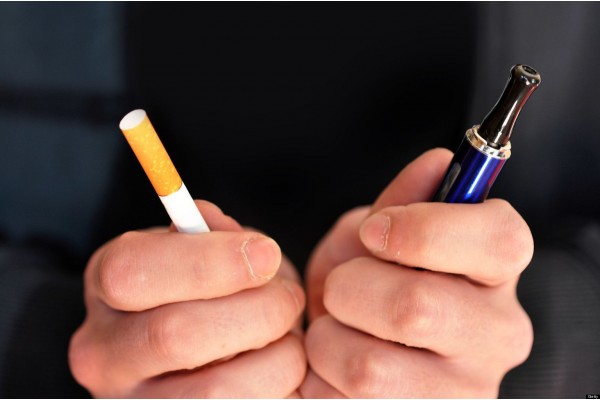
Factors Affecting Nicotine Absorption
Two people using the same cigarette may not absorb the same amount of nicotine. The way a user smokes can significantly alter nicotine absorption.
● Duration and depth of puffs
● Number of puffs taken per cigarette
● Time between puffs
● Filter and ventilation structure of the cigarette
● How much of the cigarette is smoked
● Individual nicotine tolerance and usage habits
Over time, users can unconsciously adjust the amount of nicotine they absorb by altering their smoking behavior. For example, a cigarette marketed as low-nicotine may be smoked with deeper or more frequent puffs.
How Many Mg of Nicotine Is Absorbed from a Pack of Cigarettes?
Assuming an average of 1–2 mg of nicotine is absorbed per cigarette, the theoretical absorption for a pack of 20 cigarettes can be calculated at approximately 20–40 mg. However, this is only a general estimate.
| Daily cigarette count | Estimated absorbed nicotine* | Description |
|---|---|---|
| 5 cigarettes | Approximately 5–10 mg | Varies depending on smoking style |
| 10 cigarettes | Approximately 10–20 mg | Should not be considered an exact dose |
| 20 cigarettes | Approximately 20–40 mg | Total estimate spread throughout the day |
*The calculation is based on the assumption of an average systemic nicotine intake of 1–2 mg per cigarette. It does not reflect personal nicotine dosage.
Is Nicotine Harmless?
No. The majority of cancer and lung diseases caused by smoking are associated with tar, carbon monoxide, and other toxic substances produced by the combustion of tobacco. However, this does not mean that nicotine is harmless.
Nicotine is highly addictive; it can temporarily affect heart rate and blood pressure. It also carries significant risks for children, adolescents, pregnant women, and breastfeeding mothers. Ingestion or heavy skin contact with nicotine-containing liquids can also cause poisoning.
Fact
The greatest burden of disease from smoking comes not only from nicotine, but from the numerous harmful substances released by the combustion of tobacco.
Misconception
The statement "Nicotine is addictive but has no impact on health" is incorrect.
How to Read Nicotine Ratios in E-Liquids?
In e-liquids, the amount of nicotine is mostly displayed in mg/ml or as a percentage. The expression Mg/ml indicates how many milligrams of nicotine are present in each milliliter of liquid.
| Percentage Representation | Mg/ml Equivalent | Total Nicotine in a 10 ml Bottle |
|---|---|---|
| 0.3% | 3 mg/ml | 30 mg |
| 0.6% | 6 mg/ml | 60 mg |
| 1.0% | 10 mg/ml | 100 mg |
| 2.0% | 20 mg/ml | 200 mg |
Can Cigarette Count and Liquid Nicotine Be Compared One-to-One?
No. Making a definitive calculation like "If one cigarette provides 1 mg of nicotine, 20 cigarettes equal exactly this much e-liquid" is not accurate. Cigarettes and e-cigarettes deliver nicotine at different rates and through different usage patterns.
The main factors affecting the amount of nicotine absorbed from e-cigarettes are:
- Nicotine concentration in the e-liquid
- Use of freebase or salt nicotine
- Device wattage and coil resistance
- MTL or DL vaping style
- Puff duration and daily puff count
- Daily e-liquid consumption amount
- Vapor production capacity of the device
What Are the Symptoms of Excessive Nicotine Intake?
Absorbing more nicotine than needed in a short period may lead to the following symptoms in some individuals:
If these symptoms occur, nicotine use should be discontinued immediately. In case of severe or persistent symptoms, seek medical advice. Emergency services (such as 112/911) should be called in emergencies like liquid ingestion, exposure in children, altered consciousness, or severe respiratory difficulty.
How Should Nicotine E-Liquid Be Stored?
✓ Keep out of reach of children and pets.
✓ Keep the bottle tightly closed with its original cap.
✓ Do not transfer into food or beverage bottles.
✓ Protect from extreme heat and direct sunlight.
✓ In case of skin contact, wash the area thoroughly with plenty of water.
Conclusion: Content Amount Is Not the Same as Absorption
An average cigarette contains about 10–15 mg of nicotine in its tobacco, but only about 1–2 mg of this is systemically absorbed by the user. The actual value varies depending on the cigarette brand, product design, and personal smoking style.
Similarly, the mg/ml value indicated on e-liquids does not mean the body will absorb the full amount. Device wattage, coil, puff style, and consumption rate are major factors determining nicotine intake.
Explore Premium Liquid Options
Visit our relevant category to learn more about liquid types, flavor profiles, and product features.
Premium E-Liquids Nic Salt E-Liquid InfoNCBI – Nicotine Pharmacology
NIH – Nicotine Chemistry, Metabolism, Kinetics and Biomarkers
NIDA – How does tobacco deliver its effects?
For other guides on electronic cigarettes, liquids, and nicotine, check out the TRELEKTRONİKSİGARA blog content.
Health warning: This content is provided for general informational purposes and does not constitute personalized nicotine or medical advice. Nicotine is addictive. Those who wish to quit smoking are advised to seek support from physicians or smoking cessation clinics.